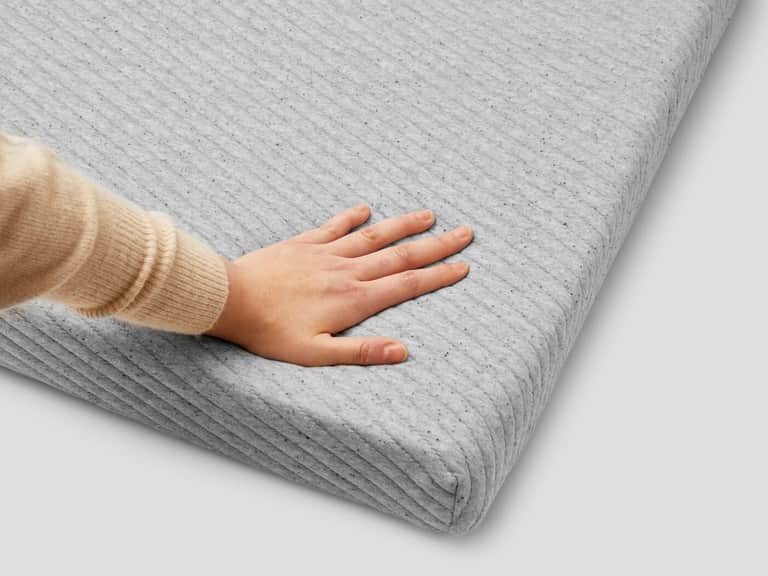
York Mattress Pad

Understanding Organic and Natural Mattress Pad Materials: A Practical Buying Guide

A buyer-focused exploration of the most common organic and natural mattress pad materials, including organic cotton, wool, latex, bamboo, and TENCEL. Learn how each material influences comfort, breathability, durability, and safety certifications to empower eco-conscious shoppers.

In a world where sleep quality and environmental responsibility share the bed, choosing the right mattress pad matters. The Green Mattress Pad domain hints at a thoughtful, eco-aware approach to bedding. This guide dives into the core materials you’ll encounter in the eco-friendly mattress pad space, translating jargon into practical decisions you can feel confident about when you next shop or compare options.

We’ll weave in perspectives from three notable voices across time, reflecting how ideas about materials, comfort, and safety have evolved—from early textile innovations to modern sustainability certifications. Along the way, we’ll highlight a standout product to illustrate how these materials translate into real-world comfort.


Key Mattress Pad Materials: What They Are and How They Feel

Material choice shapes a mattress pad’s feel, temperature regulation, care requirements, and long-term durability. Here are the most common categories you’ll encounter in organic and natural options.

Organic Cotton

Organic cotton is the most familiar face of green bedding. When certified, it signals cotton grown without synthetic pesticides or genetically modified seeds. Mattress pads built with organic cotton interiors and covers tend to feel soft, breathable, and breathable. They are often paired with natural fillings to maintain a light, airy climate through the night.

Wool

Wool is a natural regulator—cool in summer, warm in winter—thanks to its moisture-wicking properties. A wool-filled mattress pad traps air and offers plush insulation without excessive heat buildup. Look for Merino or other high-quality wools sourced from sustainable systems. Wool’s antimicrobial properties can be advantageous for sleepers with seasonal sensitivities.

Latex

Natural latex (often sourced from rubber trees) brings responsive support and durable resilience. In mattress pads, latex can boost bounce and shape recovery while maintaining breathability. Certifications like GOLS (Global Organic Latex Standard) can help verify sustainable sourcing. Be mindful of the potential for higher price and a firmer baseline feel.

Bamboo

Bamboo-derived fabrics (often as viscose or rayon blends) are popular for their softness and moisture-wicking capabilities. Some pads utilize bamboo fibers as a cover or fill along with cotton or wool layers. Bamboo can contribute to a silky hand-feel while supporting temperature regulation, though certifications vary by processing method.

TENCEL (Lyocell)

TENCEL is a cellulose-based fiber noted for its moisture management and smooth texture. Mattress pads with TENCEL blends are typically breathable and lightweight. Like other natural fibers, TENCEL’s performance depends on the processing and the overall construction of the pad.

Certifications That Matter (What They Mean for You)

For eco-conscious shoppers, certifications offer independent assurance about how a product is made, what it contains, and how it impacts the environment and health. The three most influential standards in bedding are:

  • GOTS (Global Organic Textile Standard): The leading global standard for organic textiles, covering both organic fibers and social compliance in processing. A GOTS badge signals organic materials combined with responsible manufacturing practices.
  • OEKO-TEX Standard 100: This certification focuses on the absence of harmful substances in textiles, from the finished product to components. It’s a widely recognized marker for chemical safety.
  • GOTS vs OEKO-TEX: GOTS emphasizes organic content and ecological processing, while OEKO-TEX concentrates on safety and restricted substances. Some products carry both, offering layered assurances.

Other certifications to know, depending on the material, include Made Safe for consumer safety, and CertiPUR-US for certain foam components. When shopping, pair certifications with transparent supply-chain storytelling to understand material origin, processing, and end-of-life options.

Practical Tips for Reading Labels

  • Check the material’s exact composition and proportion. A pad may list 60% organic cotton and 40% polyester—remember that blends matter.
  • Look for the certifications on the textile and any coatings or waterproof membranes. Some waterproof layers may contain vinyl or PFAS-free alternatives—verify the details.
  • Consider the fill weight and distribution. For wool, check for the percentage of wool and whether it’s fully wool-filled or blended with synthetic fibers.
  • Read care instructions upfront. Natural fibers often require gentler laundering, and some pads may be dry-clean only for certain fills.

A Real-World Window: York Mattress Pad as a Reference Point

In our exploration of organic and natural materials, a concrete product can illuminate how theory translates into comfort. The York Mattress Pad is a standout example to ground our discussion. This pad features 100% cotton with a 300TC cotton sateen shell, delivering a luxurious loft and balanced comfort. Its construction emphasizes a premium, down-alternative fill that creates a breathable yet supportive surface. While not all eco-conscious shoppers prioritize luxury fibers, York’s approach demonstrates how a high thread-count outer shell can shelter gentle fillings and maintain a plush feel without sacrificing breathability.

York Mattress Pad
300TC cotton sateen shell
100% cotton fill option in some variants

Note: The York product line demonstrates how a premium cotton shell can anchor a loft-filled interior, optimizing a breathable sleeping surface while delivering a touch of luxury. When selecting a pad, consider whether you want a luxurious surface, a duvet-like loft, or a more subtle cushion—York exemplifies the high-end end of the spectrum.

This reference point helps illustrate how material choice interacts with fill technology, thread count, and overall durability. For eco-minded shoppers, York’s cotton-centric approach underscores the appeal of natural fibers paired with careful construction. It’s a reminder that luxury can align with sustainability, especially when the materials are sourced responsibly and processed with an eye toward reducing environmental impact.


Three Voices Through Time: How Material Thought Evolved

A Pioneer of Natural Fibers: Florence Nightingale (19th Century)

Florence Nightingale is often celebrated for nursing care reform, but she also helped popularize the idea that textiles matter to health. Her era emphasized cleanliness and the hygienic handling of linens, a principle that resonates with today’s emphasis on non-toxic bedding materials. Nightingale’s influence reminds us that the material world—how fabrics are produced, stored, and cleaned—directly intersects with patient and sleeper well-being. In product conversations, this lineage encourages choosing bedding that minimizes allergens and chemical exposures.

In spirit: a reminder that material choices support resilience and health across generations.

Mid-20th Century Innovation: The Search for Natural Comforts

Mid-20th Century textile pivots toward synthetic foams and innovative fillings led to more affordable bedding experiences. Yet, amid the rise of synthetics, natural materials—cotton, wool, and eventually latex—retained a faithful following among consumers seeking breathability and a closer connection to natural fibers. This period set the stage for today’s revival of organic cotton, wool-safe finishes, and certifications that ensure ethical sourcing. The moral of this era is that comfort and safety can coexist with evolving manufacturing techniques.

In spirit: a reminder that progress can ride alongside stewardship of natural resources.

Contemporary Thought Leader: The Modern Sleep Scientist

Today’s sleep science community emphasizes evidence-based practices and safety certifications. Researchers stress the relationship between sleep environment and sleep quality, from temperature regulation to chemical exposure. The modern reader benefits from an evidence-informed approach: examine material performance under real-world conditions, read independent tests, and value certifications that validate health and environmental claims. This contemporary voice unites comfort with accountability, guiding eco-conscious shoppers toward materials like organic cotton, natural wool, and responsibly sourced latex, all backed by robust certification ecosystems.

In spirit: a call to balance comfort, science, and sustainability when selecting bedding.


Website Identity in Practice: A Calm, Credible Eco-Bedding Guide

Green Mattress Pad’s educational ethos centers on clear explanations, transparency, and practical guidance. The site embraces a calm, credible aesthetic that mirrors sustainable living: natural textures, soft greens, and typography that communicates trust. The content leans editorial but remains accessible, with structured sections, glossaries, FAQs, and evergreen guides that help eco-conscious shoppers build a healthier sleep environment without product pressure.

A reader should finish this guide with practical actions: how to assess mattress pad materials, what certifications to seek, and a checklist for choosing a green pad that aligns with personal comfort and health needs. The emphasis remains educational rather than promotional, though it recognizes the value of credible product examples to illustrate real-world implications of material choices.

To bring the idea to life on a sample page, consider featuring a profile of a product like the York Mattress Pad as a tangible anchor for readers to understand how a cotton-centric build translates from fiber to loft, from care to daily comfort. Images, when used, should be tastefully integrated as part of a narrative flow, supporting facts rather than driving the message.


Ready to Explore Eco-Friendly Sleep Tools?

Dive into our curated guides, glossary of terms, and buying checklists to empower your next bedding decision. Whether you’re seeking organic cotton protection, wool-insulated layers, or latex-inspired support, this guide helps you decode the landscape with clarity and care.

Note: This article is educational and non-promotional. For readers curious about specific products, a separate product directory can provide comparisons anchored in certifications and material specs.

© 2026 Green Mattress Pad. All rights reserved.

Related Products

York Mattress Pad

Sferra

York Mattress Pad

Indulge in cloud-like loft and balanced comfort with York’s premium cotton fill and 300TC cotton sateen. Breathable, smooth surface, stays puffy wash after wash, and soft against skin for serene, undisturbed sleep.
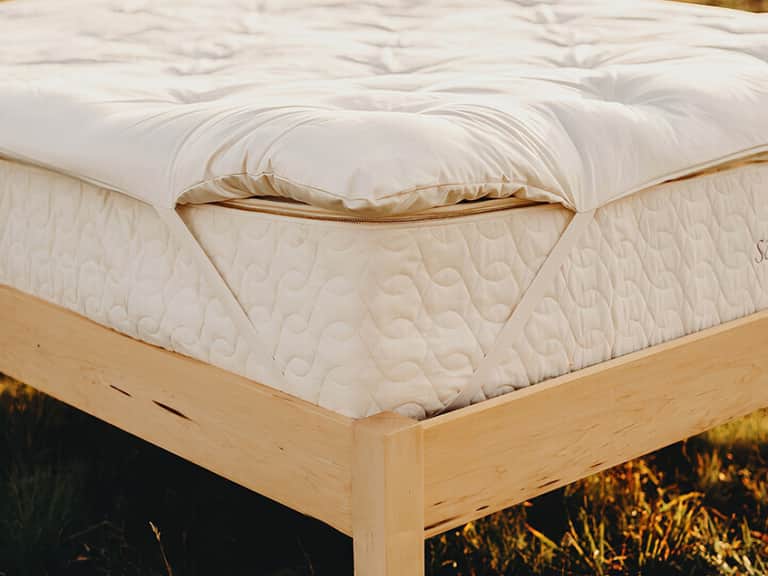
Savvy Rest Natural Savvy Woolsy Mattress Topper

Savvy Rest · No. SAVVYREST-NATURAL-SAVVY-WOOLSY-3.5INCH

Savvy Rest Natural Savvy Woolsy Mattress Topper

Sink into the Savvy Rest Woolsy for plush, breathable comfort that lasts all night; premium wool relieves pressure, stays cool in summer, warm in winter, and resists allergies, while a snug organic cotton cover keeps your mattress fresh and comfy.
Comfy Mattress Topper

Casper

Comfy Mattress Topper

Transform any bed into cloud-like comfort with a plush, responsive top layer and cushioned memory foam that cradles you while you move, wrapped in a snug quilted knit cover for breathable, supportive nights.

Theme