Organic Mattress Guide
What a 6.5-Inch Organic Latex Mattress Is Designed to Offer
A mattress’s height can shape the whole bedroom experience, from how easily you climb into bed to whether your favorite fitted sheet stays put. A 6.5-inch natural latex mattress offers a lower-profile alternative to taller designs, pairing a compact build with materials such as latex, wool, and organic cotton. Here’s what that construction may mean—and what to check before deciding it belongs in your home.
Published October 31, 2026
A lower profile can change the feel of a room
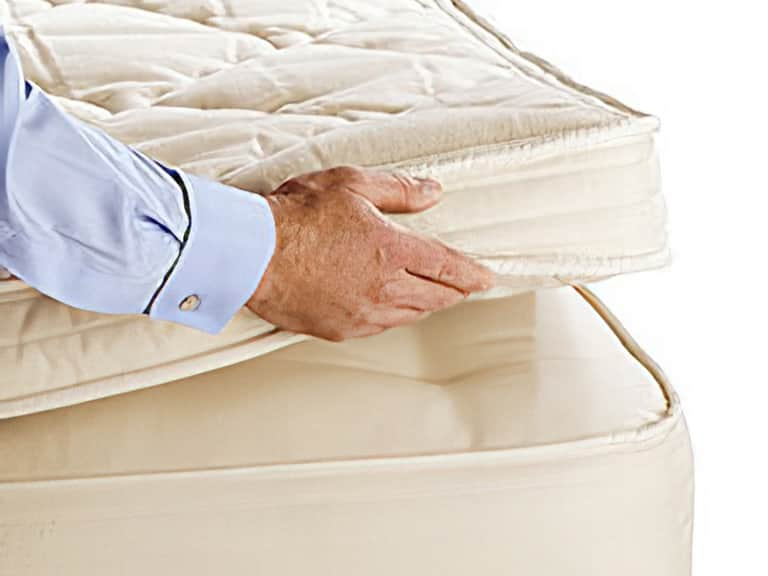
Mattress shopping often begins with a familiar question: Is it comfortable? But dimensions matter too. Overall height affects the look of a bed, the relationship between the mattress and its frame, and the small daily rituals of getting in and out. A 6.5-inch mattress is considered relatively low profile compared with many contemporary mattresses, which may measure considerably more once their comfort layers and support cores are added together.
That reduced height can be appealing in a room where a tall mattress would crowd a headboard, sit awkwardly on a platform, or make the bed feel oversized. It may also suit a guest room, a child’s bedroom, or a simple foundation designed for a thinner sleep surface. In a carefully planned bedroom, a lower mattress can create a streamlined silhouette and leave more visual space around the bed.
Still, “lower profile” is a description, not a promise of a particular sensation. Mattress comfort depends on the materials, their arrangement, the sleeper’s body and preferences, and the foundation underneath. Height alone cannot tell you whether a mattress will feel firm, plush, springy, or pressure-relieving. It is one useful clue in a larger evaluation—not a shortcut to choosing the right bed.
What the 6.5-inch measurement includes
When a mattress is described as 6.5 inches thick, the measurement generally refers to its total height from the bottom surface to the top of the finished mattress. That can include a core, any comfort layers, quilting, and the outer cover. Construction varies, so it is worth checking the maker’s description rather than assuming every inch is filled with one material or that the mattress has a particular number of layers.
The available description for a natural wool and latex mattress identifies a latex core with a layer of premium eco wool and a GOTS-certified organic cotton canvas cover. It lists the finished thickness as 6.5 inches. That information suggests a compact mattress built from a few named components, but it does not, by itself, establish exact layer thicknesses, firmness, or the mattress’s feel for every sleeper. For those details, look for a full specification sheet or ask the manufacturer.
A thin mattress can be made with substantial materials, but its lower height does mean there is less overall depth for cushioning and layering than in a tall mattress. That may be exactly what a shopper wants—or a reason to compare it with thicker options. Consider not just the number on the label, but how the complete construction relates to your preferred sleep surface.
Latex: responsive support, with important details to verify
Natural latex is made from rubber tree sap that has been processed into a resilient foam. In a mattress, latex is often valued for its buoyant, responsive feel: rather than slowly sinking around the body in the way some foams do, it tends to compress and rebound as weight shifts. How noticeable that quality is depends on the latex formulation, firmness, thickness, and the layers above and below it.
The words “natural,” “organic,” and “latex” do not mean precisely the same thing. Natural latex refers to a material derived from rubber tree sap, but a finished foam may include other ingredients used during processing. “Organic” is a certification claim that should be supported by documentation for the relevant material and product. If that distinction matters to you, check which component is certified, who issued the certification, and whether the certificate applies to the finished item or only to an ingredient.
Latex mattresses are sometimes described as durable, but actual longevity depends on the formulation, construction, use, care, and the conditions in which the mattress is kept. No material can guarantee a specific lifespan in every home. A warranty can explain the maker’s stated coverage, but it is not the same thing as a prediction of how the mattress will feel years from now. Review both the warranty and the care instructions before buying.
Sensitivities also deserve a careful look. People with a known or suspected latex allergy should seek advice from an appropriate health professional and confirm the mattress’s materials and barrier layers with the maker. A fabric cover may reduce direct contact, but buyers should not assume it makes a latex-containing product suitable for everyone.
Why include wool?
Wool may serve as a comfort layer, a quilted filling, or part of a mattress’s overall material system. It can absorb and release moisture and helps insulate, qualities that may contribute to a sleep surface that feels more balanced across changing conditions. Wool’s natural texture and performance are different from those of synthetic fiberfill, so it is worth considering how the material fits your preferences and household needs.
The presence of wool does not automatically make a mattress cool, hypoallergenic, or suitable for every sleeper. Temperature is influenced by the room, bedding, mattress cover, body, and how much heat the sleeper tends to retain. Wool’s response will also depend on the amount used and how it is constructed. Think of it as one part of a layered system rather than a guarantee of a particular sleep climate.
Care is another practical consideration. Wool products may have specific cleaning requirements, and those instructions can differ from one design to another. A mattress described as spot-clean only will require a different routine from a machine-washable mattress pad. Before purchase, confirm the care directions for the mattress itself and ask what to do if a spill or stain occurs. A removable cover should not be assumed unless the product documentation says it is removable.
Organic cotton covers and the value of specific claims
A mattress cover is the material you see and touch, but it can also help protect the layers beneath. In this 6.5-inch design, the cover is described as GOTS-certified organic cotton canvas. Cotton canvas is a woven fabric; compared with a smooth knit, it may feel firmer or more structured in the hand. The sheet placed over it will also influence the immediate feel of the bed.
Certification labels can help make material claims easier to assess, but their scope matters. GOTS, the Global Organic Textile Standard, addresses organic fibers and environmental and social criteria in textile processing. A GOTS label should be checked against the certificate and the product or facility it covers; it should not be treated as proof that every component in a mattress is organic. If a mattress also contains latex or wool, look for separate, relevant documentation for those materials.
“Chemical-free” is a broad phrase and can be misleading when used without a clear definition. All physical materials are made of chemicals in the scientific sense. More useful questions are specific: What substances are present? What finishes are used? Which certifications apply? Is the cover treated? Does the manufacturer provide a materials breakdown or testing information? Clear answers are more informative than a sweeping slogan.
For a lower-impact choice, consider the whole product rather than one attractive label. Material sourcing, processing, durability, repairability, transport, and end-of-life options all contribute to a mattress’s environmental story. A natural material is not automatically impact-free, and a certification is not a complete lifecycle assessment. Transparent documentation helps shoppers compare claims on more meaningful terms.
Will 6.5 inches work with your bed setup?
Before settling on a mattress, measure the entire sleep system. Add the mattress height to the foundation or platform height to estimate how high the top of the bed will sit from the floor. If you already own a frame, check its support requirements and confirm that the mattress is designed to work on that kind of base. A mattress may be used on a platform, slatted foundation, or other support only if the manufacturer approves that setup.
Slat spacing can matter, particularly for foam and latex mattresses. A support base that is too widely spaced may not provide the surface the mattress maker requires. Look for the manufacturer’s recommendations on slat distance, center support, and foundation type. If the information is unclear, ask before purchase; a compatible foundation can help protect both the mattress and the warranty.
Fitted-sheet fit is another small detail with a big effect on a tidy bed. Standard fitted sheets are designed for a range of mattress depths, but a mattress’s actual height—and any topper or pad you add—can change how snugly a sheet fits. Check the sheet’s pocket depth and compare it with the total height of the mattress plus any added layers. Deep-pocket sheets may fit, but excess fabric can bunch when used on a low mattress.
Consider the headboard and bedside furniture, too. A lower mattress may leave a larger gap between the mattress top and the headboard, or lower the surface relative to a nightstand. If ease of getting into and out of bed is important, test the overall bed height rather than judging the mattress alone. The right height is personal and can depend on mobility, frame design, and household routines.
Who might appreciate a low-profile latex mattress?
A 6.5-inch organic latex mattress may appeal to shoppers who want a simple, lower bed, are looking for natural material options, or need to work within a particular frame or room design. It may also interest people who prefer a more direct, responsive feel rather than a deeply cushioned mattress with many comfort layers. These are possibilities, not guarantees: bodies and comfort preferences differ, and the same mattress can feel unlike what a shopper expects.
It may be less appealing to someone seeking a visibly plush top, substantial contouring, or a tall mattress profile. A thinner design offers less overall depth for comfort layers, though construction and firmness still matter. People who are accustomed to a thick pillow-top mattress may want to compare the two styles in person if that option is available, or review a reliable return policy before making a decision.
Sleep position alone does not settle the question. Side, back, and stomach sleepers can all have different comfort needs, and body weight influences how a mattress compresses. Rather than assuming that one profile suits a particular group, look for clear firmness information, construction details, and a trial or exchange policy. If you have persistent pain or a medical condition affecting sleep, a mattress article cannot replace individualized advice from a qualified professional.
A practical checklist before you buy
Good mattress research is less about chasing a single “green” label and more about understanding what is actually being sold. Use these questions to make the comparison concrete:
- What does the thickness measure? Confirm that 6.5 inches is the total finished height and ask whether that measurement includes quilting or the cover.
- What is inside? Request the material breakdown, including latex type, wool layer, cover fabric, and any other components.
- What is certified? Match each certification to the material and product it covers. Ask for current documentation if the claim is central to your decision.
- What is the feel? Look for a firmness description and information about responsiveness or cushioning, while remembering that these terms can be subjective.
- What foundation is allowed? Check platform, slat, and center-support requirements against your current bed frame.
- How should it be cared for? Confirm cleaning instructions and whether the cover can be removed. Do not assume the mattress is washable.
- What are the purchase protections? Read the warranty, return terms, trial period, delivery details, and any fees before ordering.
- How does the total bed height work? Include the foundation, mattress, and any topper when measuring from the floor to the sleep surface.
These questions are especially useful when product descriptions lean heavily on evocative words such as “natural,” “clean,” or “eco-friendly.” Those terms can indicate a brand’s intentions, but a careful shopper should still be able to find concrete information about materials, construction, certification, and care.
The difference between a mattress and a mattress pad
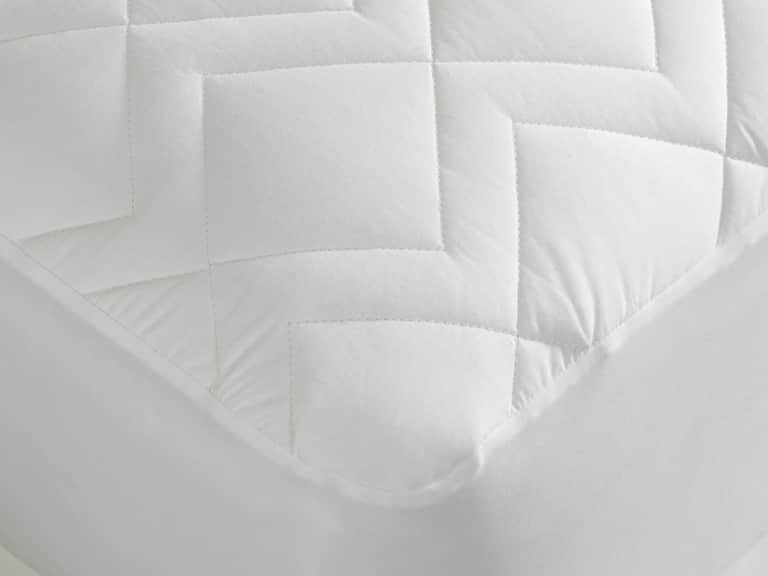
The terminology can be confusing, especially when a mattress, topper, and pad all appear in the same bedding search. A mattress is the main sleep surface. A topper sits on top of it to change or add cushioning. A mattress pad is generally a thinner layer that can provide modest comfort or surface protection, while a protector is chiefly intended to help guard against spills, dust, or everyday wear. Product names are not always used consistently, so check the construction and stated purpose.
A 6.5-inch latex mattress is not simply a thick mattress pad or latex topper. It is intended to serve as the primary mattress, with its own support and comfort construction. Adding a topper could change the feel and total height, and may also affect sheet fit. If you are comparing a complete mattress with an accessory, make sure you are evaluating like with like: a topper cannot be assumed to replace the support system of a mattress.
For buyers focused on sustainability, this distinction also matters for lifespan and replacement. A replaceable topper may allow someone to adjust the surface without replacing the whole mattress, while a mattress protector may help guard against some forms of wear. Neither accessory can make a mattress last indefinitely, but thoughtful protection and care may help keep the sleep setup in better condition.
What “green” can—and cannot—tell you
In bedding, “green” may refer to organic fiber, renewable feedstocks, reduced use of certain substances, responsible sourcing, or a company’s broader environmental practices. Because the word is used in many ways, it is not a standardized description on its own. A useful product page should explain which environmental or health-related claims it is making and provide a way to verify them.
Look beyond the materials list. Ask whether the company describes manufacturing locations, sourcing, packaging, product testing, and end-of-life options. Consider whether the mattress is designed to last and whether the maker offers repair or recycling guidance. A transparent account of limitations can be more credible than a claim that a product is universally sustainable.
For an organic mattress, the most helpful approach is to separate each claim. Organic cotton may have a certification, while the latex may have a different standard and the wool another sourcing description. One certificate rarely covers every material, manufacturing step, and environmental impact. Comparing the actual scope of each claim makes it easier to understand what “organic” means for the mattress as a whole.
The bottom line on a 6.5-inch organic latex mattress
A 6.5-inch natural latex mattress is designed to offer a relatively low-profile sleep surface built around materials such as latex, wool, and organic cotton. Its appeal may lie in the compact height, a responsive latex construction, and a straightforward materials story. The finished experience, however, depends on the details: how the layers are made, what certifications cover, how firm the mattress feels, and whether it suits the foundation and bedding you already own.
Think of the height as a practical starting point, not a verdict on comfort or quality. Measure your bed frame, consider the total height of your sleep setup, and read the construction and care information closely. Then compare the manufacturer’s claims with the documentation behind them. A mattress that fits your space, preferences, and values is more likely to feel like a thoughtful choice long after the first night.
Frequently asked questions
Is a 6.5-inch mattress considered low profile?
Yes. It is generally a lower-profile option than many thicker mattresses, although mattress height categories are not universal. Compare the exact dimensions and include the foundation when planning the bed’s final height.
Does natural latex mean the entire mattress is organic?
No. Natural latex describes a material, while organic status depends on specific standards and certification. Check which individual materials and parts of the finished product are certified.
Will a thinner latex mattress feel firm?
Not necessarily. Thickness alone does not determine firmness. Latex formulation, layer design, cover, foundation, and a sleeper’s body all affect the feel. Seek a manufacturer’s firmness guidance and review its trial and return terms.
Can I use my existing fitted sheets?
Possibly. Check the sheet’s pocket depth against the mattress height, adding the thickness of any topper or pad. A very deep sheet may fit loosely on a lower mattress.