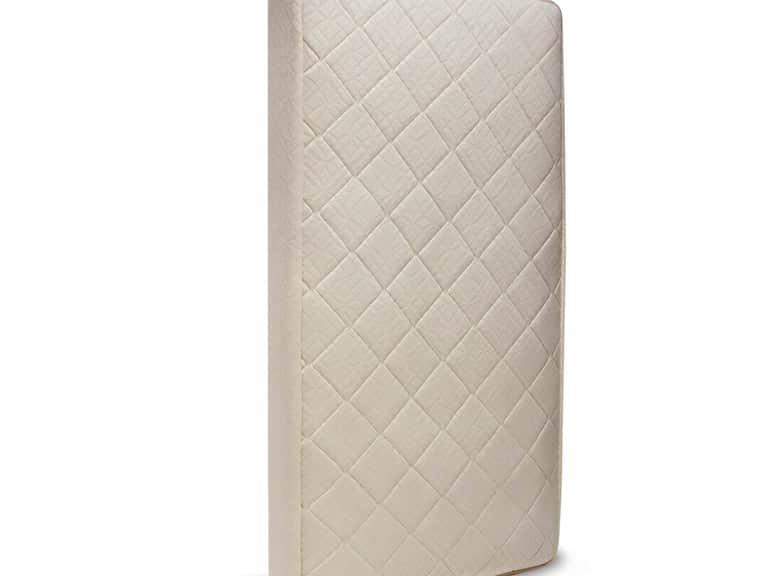
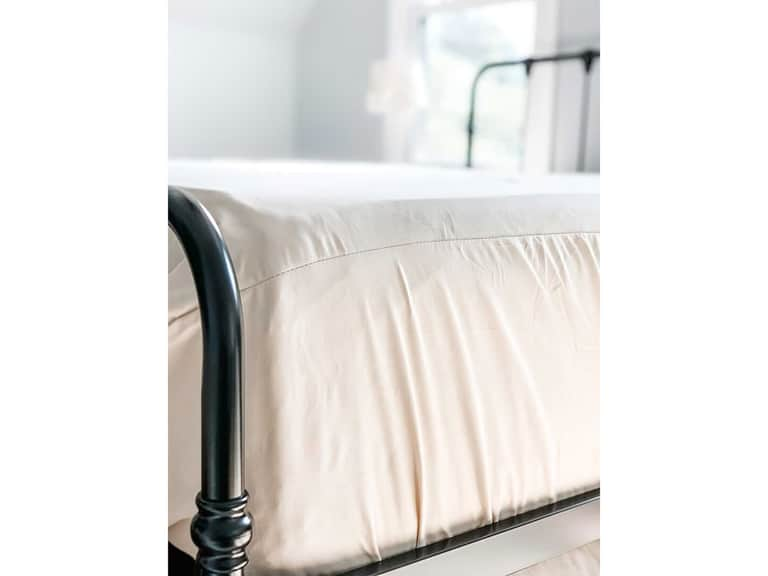
Materials & sleep comfort
Healthy Choice Latex Construction: Questions to Ask About Materials and Support
Latex can be a compelling mattress material, but a label alone cannot tell you how a bed is made or how it will feel. Before comparing Healthy Choice sleep options, ask what kind of latex is used, where it appears in the construction, which certifications apply, and how the full design is intended to support your body.
A practical guide to reading material claims, understanding support, and making a more informed comparison.
Start with the construction, not the headline
Words such as “natural,” “organic,” and “eco-friendly” can be useful starting points, but they do not describe an entire mattress by themselves. A product might include latex in one layer while using other materials in its comfort layers, support core, fire barrier, or cover. The first useful question is therefore not simply whether a mattress is latex. It is: which components contain latex, and what are the remaining components made from?
When researching Healthy Choice options, look for a layer-by-layer description. It should identify the materials in the comfort surface, any transition layer, the main support core, and the cover. If the information is missing, ask the seller or manufacturer for a written specification. Clear details make it easier to compare products accurately and to understand whether a claim applies to the complete mattress, a particular component, or only the outer fabric.
Construction matters because a mattress is a system. The feel you experience comes from the way its layers work together, their thickness and firmness, and how they respond to your weight and position. A latex comfort layer over a different support core will not necessarily feel or perform like an all-latex design. Even two mattresses described as natural latex may differ substantially in composition and firmness.
Ask what “latex” means in this product
Latex foam is commonly made using material derived from rubber-tree sap, but the word “latex” on a product page does not, by itself, tell you the exact formulation or the proportion of natural material. Ask whether the latex is natural, synthetic, or a blend, and whether the manufacturer can provide a percentage or other specific description. If the response uses broad language without identifying the composition, treat that as an unanswered question rather than proof of a particular material standard.
It is also worth asking how the latex is processed. Dunlop and Talalay are two commonly discussed latex manufacturing methods. They describe different production processes; neither name alone establishes that a layer is organic, wholly natural, or the right firmness for you. A useful specification explains which process is used and which mattress layers it applies to. If the construction combines layers made by different methods, request that detail too.
Questions that can help clarify the material include:
- Is the latex natural, synthetic, or a blend?
- What percentage of the latex layer is natural, if a percentage is available?
- Is the latex Dunlop, Talalay, or another construction, and which layers use it?
- What materials are used in the support core, comfort layers, and fire barrier?
- Does the cover contain latex, or is latex limited to the interior layers?
Specific answers are more useful than a list of attractive adjectives. If a product description says “natural latex mattress,” check whether that phrase refers to the latex foam itself or to the whole mattress. The distinction helps prevent a marketing shorthand from being mistaken for a complete bill of materials.
Understand organic claims and certifications
“Organic” is a defined claim only when it is supported by applicable standards and certification details. Ask which component is certified, what standard is involved, and whether the certificate covers the material in the mattress you are considering. A certified cover, for example, does not automatically mean that the latex core or every other component has the same certification.
Certification names can help consumers check claims against established criteria, but they are not all interchangeable. Some standards focus on organic fiber processing, while others may address chemical emissions, product safety, or particular material categories. The scope depends on the specific certification. Request the certificate or a current certification reference, and verify that the named product or component is included. If a seller gives only a logo or an unqualified statement, ask what it certifies and who issued it.
It is equally important to keep certification in perspective. A credential can provide information about compliance with a defined standard; it cannot predict whether a mattress will suit your preferred firmness, sleeping position, or pressure-relief needs. Nor should a single certification be taken as a blanket guarantee that every aspect of a product is sustainable or risk-free. Material transparency and comfort evaluation remain separate parts of a sound decision.
For a clear comparison, record the exact claim and its scope. Note whether it applies to the latex foam, textile cover, finished mattress, or a manufacturing facility. This simple habit makes it easier to compare Healthy Choice options with other mattresses without assuming that similar wording means identical construction.
Look at the whole layer profile
A mattress’s layer profile can reveal how a manufacturer intends to balance cushioning and support. The upper layers usually influence the initial feel, including how quickly the surface responds when you lie down. Layers below them contribute to deeper cushioning and help distribute pressure. The support core provides the foundation for the design. These roles can overlap, and the actual feel depends on the full assembly rather than a single material name.
Ask for the thickness and firmness of each layer, if those specifications are available. A detailed diagram or written specification can help you understand whether the mattress has a thin latex comfort layer, a thicker latex core, or a combination of latex with other foams or fibers. Also ask whether the firmness rating applies to the mattress as a whole or to one particular component. Ratings are not always measured on a shared scale, so a number from one maker may not be directly comparable with another maker’s rating.
Check how the layers are held together and whether the cover can be removed. Construction details may affect care, repair, and the options available if a layer wears out. A removable cover does not necessarily mean the mattress is washable, and an apparently simple design does not guarantee that every component can be replaced. Follow the maker’s care instructions and confirm any service or repair claims before relying on them.
If product information is limited, ask for a concise answer to this practical question: “Can you list every major layer, from the sleep surface to the base, including material and thickness?” A response that clearly distinguishes components provides a stronger basis for evaluation than a general description of the mattress as supportive or natural.
Support is a question of fit, not a magic material
Latex is often valued for its resilient response: it compresses under pressure and tends to recover its shape. That general behavior does not mean every latex mattress will feel the same or provide the same support. Firmness, layer thickness, density, mattress design, and the sleeper’s body and preferences all influence the experience. A product name or material claim cannot tell you on its own whether the bed will feel comfortable.
It helps to distinguish firmness from support. Firmness is the surface impression—whether the bed feels soft, medium, or firm to a particular sleeper. Support concerns how the mattress holds the body and distributes weight across the sleep surface. A mattress can feel firm without feeling supportive to a given person, or feel cushioned at the surface while still providing a stable foundation. Personal experience and clear construction details are both important.
Sleeping position is one useful part of the assessment. Side sleepers often pay close attention to cushioning around the shoulder and hip, while back and stomach sleepers may prioritize a feel that keeps them comfortable without excessive sinking. These are broad considerations, not rules: body shape, weight distribution, mobility, temperature preference, and individual comfort all matter. If more than one person shares the bed, each sleeper’s needs and the mattress’s motion characteristics may also enter the decision.
Instead of assuming that “more latex” means more support, ask how the manufacturer describes the intended feel and what evidence supports that description. Check whether firmness options are available, whether the mattress has a trial period, what the return terms require, and how the warranty defines a defect. Testing a mattress, where possible, can help you make a more personal judgment than relying on a label or a generalized firmness chart.
Consider pressure relief, responsiveness, and temperature
People often compare latex with other mattress materials because it can feel responsive rather than slowly contouring. Some sleepers prefer that buoyant sensation and the ease of changing position; others prefer a more enveloping feel. Neither response is universally better. The right choice is the one that feels comfortable and works with your sleep habits.
Pressure relief depends on more than the latex itself. The thickness and firmness of the top layers, the underlying support, and how the mattress fits your body all contribute. If you experience discomfort on your current bed, consider whether it relates to surface pressure, an unsuitable firmness, an old or damaged mattress, or another factor. A mattress purchase should not be treated as a medical intervention or a guaranteed solution for pain.
Temperature comfort is also influenced by the whole sleep setup. Mattress materials, room conditions, sheets, blankets, and personal preference can all affect whether you feel warm or cool. A breathable cover or a material described as ventilated may be relevant, but such claims should not be read as a promise that a mattress will keep every sleeper cool. Ask what the construction does to promote airflow, and seek return terms that allow you to assess comfort at home if temperature is a concern.
Don’t overlook covers, adhesives, and other components
When you are focused on latex, it is easy to overlook the materials surrounding it. The cover may use cotton, wool, synthetic fibers, or a blend. There may also be stitching, quilting, adhesives, fire barriers, or other elements that are not obvious from a short product title. Ask for information about these components if material sourcing or chemical transparency is part of your decision.
Some natural fibers are used in mattress covers or fire-barrier systems, but a material’s presence does not explain its percentage, origin, treatment, or certification. The appropriate questions remain specific: What is it made from? Which layer contains it? Is it treated or blended? Does a standard apply to that component? Answers help you understand the complete product without assuming that a natural-sounding name tells the whole story.
Also look for practical details: mattress height, compatible foundation requirements, weight, delivery method, break-in guidance, and care instructions. A latex mattress may be heavy, and its performance can depend on a suitable, stable base. Confirm the maker’s foundation recommendations rather than assuming an existing frame will work. These details can matter as much as the material description once the mattress arrives.
A checklist for researching Healthy Choice options
Use this checklist when reviewing a product page or speaking with a retailer. It is designed to turn broad claims into questions that can be answered and compared:
- Material identity: Is the latex natural, synthetic, or blended, and is a percentage stated?
- Layer placement: Which parts of the mattress contain latex, and what are the other layers made from?
- Production details: Is the latex made using Dunlop or Talalay processing, and which layers does that describe?
- Certification scope: Which standards apply, to which components, and can the documentation be checked?
- Support information: Are firmness options, layer thicknesses, or meaningful construction specifications provided?
- Personal fit: Does the likely feel suit your preferred sleep position and comfort needs?
- Trial and returns: How long can you evaluate the mattress, and what conditions or costs apply?
- Warranty: What counts as a covered defect, and are there specific foundation or care requirements?
- Care and durability: How should the mattress be maintained, and can any components be serviced or replaced?
- Transparency: Are answers specific, consistent, and available in writing?
Keep a short comparison sheet for each model. Record confirmed facts separately from promotional descriptions and unanswered questions. This makes it easier to spot meaningful differences between products and reduces the chance of choosing based on one appealing phrase.
Reading vague claims with a clear eye
Words such as “healthy,” “clean,” “green,” and “chemical-free” can carry emotional weight, but they may not explain a mattress’s construction. Rather than accepting or dismissing a phrase on its own, ask what measurable or verifiable information supports it. A good product description should make it possible to understand the materials, relevant standards, and practical limits of the claim.
Be cautious of absolute promises about comfort or health. A mattress can be designed with particular materials and construction features, but no label can guarantee that every sleeper will rest better or avoid discomfort. Similarly, a certification can demonstrate compliance with a defined standard without proving that the mattress is a perfect fit for your body. The most useful choice combines transparent product information with a realistic opportunity to assess comfort.
If a claim remains unclear after asking, that uncertainty is itself relevant. You do not need to make a decision based on an assumption. Compare options with complete specifications, request documentation, or wait until the missing information is available.
The bottom line
Evaluating Healthy Choice latex construction means looking beyond the words “natural” or “organic” and asking how the mattress is actually assembled. Confirm what type of latex is used, where it appears, what the remaining layers and cover contain, and which certifications apply to which components. Then consider the support design, firmness options, return policy, warranty, and whether the likely feel suits your preferences.
Latex can be one part of a thoughtfully designed mattress, but material identity is only the beginning of the decision. Clear specifications help you compare products; comfort testing helps you judge personal fit. When both are available, you can make a choice based on evidence and experience rather than relying on a label to answer every question.
Quick answers
Does “natural latex” mean a mattress is entirely natural?
Not necessarily. The phrase may refer only to a latex layer. Check the full list of materials, including the cover, support core, fire barrier, and any other layers.
Does an organic certification guarantee a comfortable mattress?
No. A certification addresses criteria within a defined standard and scope. Comfort depends on construction and personal preference, so firmness, fit, and trial terms still matter.
Is latex always supportive?
Latex has characteristic resilience, but support depends on the mattress as a whole and how it suits the sleeper. Ask about layer design and specifications, then assess comfort for yourself whenever possible.